
Transforming Technical Complexity into Product Clarity
Enterprise Cloud Platform | AI Solutions | Internal Platform
Quick Read
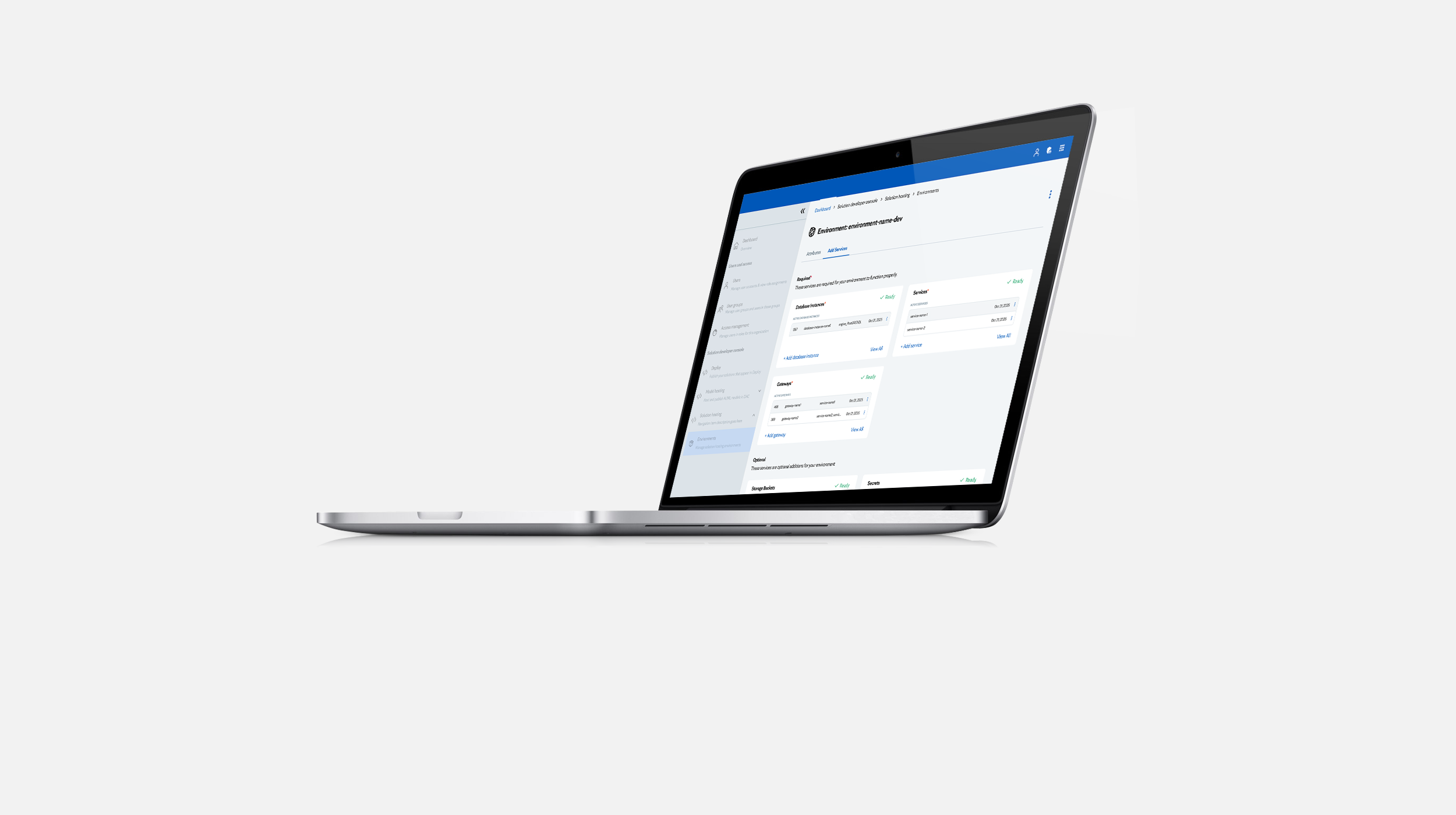
After initial discovery, I joined the Solution Hosting product team as it expanded an enterprise cloud platform into a centralized console for securely hosting digital healthcare solutions and AI models.
Working closely with engineering, I translated complex APIs, platform dependencies, and cloud infrastructure into cohesive user journeys that established a scalable foundation for both the MVP and future product growth.
Highlights
Turning technical systems into intuitive user experiences.
Learning unfamiliar technologies and products quickly.
Creating structure from complex APIs and platform architecture.
Facilitating collaboration between design, engineering, and business teams.
Planning beyond the MVP through strategic product roadmapping.
A large healthcare research institution was expanding its deployment platform into a centralized console where internal teams and external healthcare organizations could securely host and manage digital healthcare solutions and AI models within a single, governed environment. The platform enabled hospitals and medical organizations to create AI-powered solutions using proprietary research data while maintaining strict governance over how that data was accessed and used.
I joined the project after initial discovery, when the high-level product goals, personas, and UI design system had already been established. The individual platform capabilities and workflows, however, still needed to be defined. My role was to quickly understand the underlying APIs and technical architecture, translate those systems into intuitive user journeys, and work alongside engineering to shape the experience feature by feature.
My Responsibilities
Led UX strategy and design for new platform capabilities.
Facilitated weekly collaborative working sessions with engineering and business stakeholders.
Mapped platform architecture, workflows, and feature relationships.
Designed user journeys, wireframes, and final comps.
Identified reusable interaction patterns across cloud services.
Organized product roadmap planning beyond the MVP.
Delivery Team
Senior UX Designer (me)
Business Analyst
API Developer
Software Architect
Backend Engineers
Frontend Developer
Shaping the User Experience
Identifying Patterns
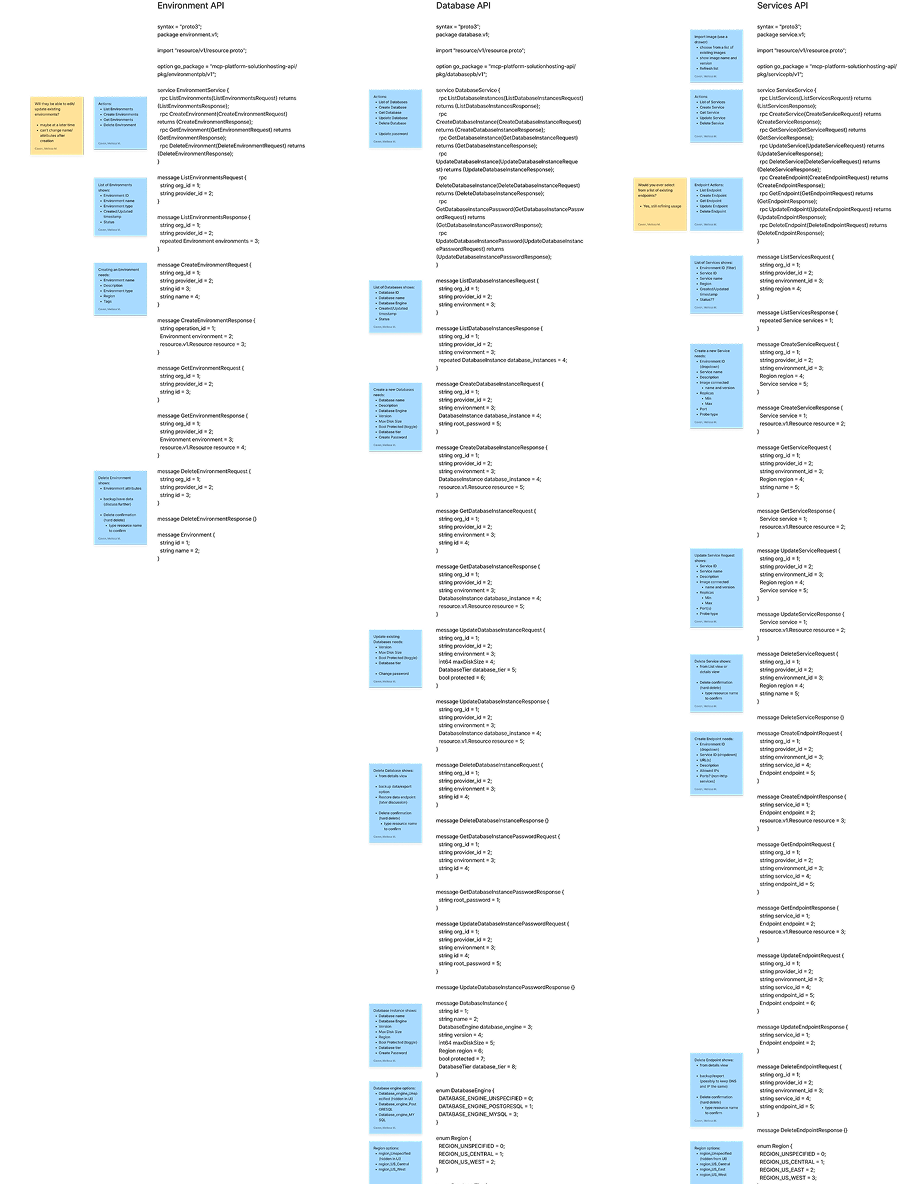
The first platform capabilities already had completed APIs, giving me the opportunity to study the underlying architecture before additional features were designed. Rather than treating every endpoint independently, I analyzed recurring patterns across the APIs to identify consistent interaction models.
Recognizing these patterns established a reusable UX framework that accelerated future feature design while maintaining consistency across the platform.
Each feature followed a similar lifecycle:
Sample API List
*API data intentionally reduced to protect proprietary content
Translating APIs into UX
Studying the APIs also revealed how information moved throughout the platform. This understanding informed user journeys long before interface design began, allowing UX and engineering to evolve together rather than independently.
Working alongside engineering, I identified:
Required inputs
System-generated values
User-entered information
Service dependencies
Opportunities for automation
Mapping the Platform
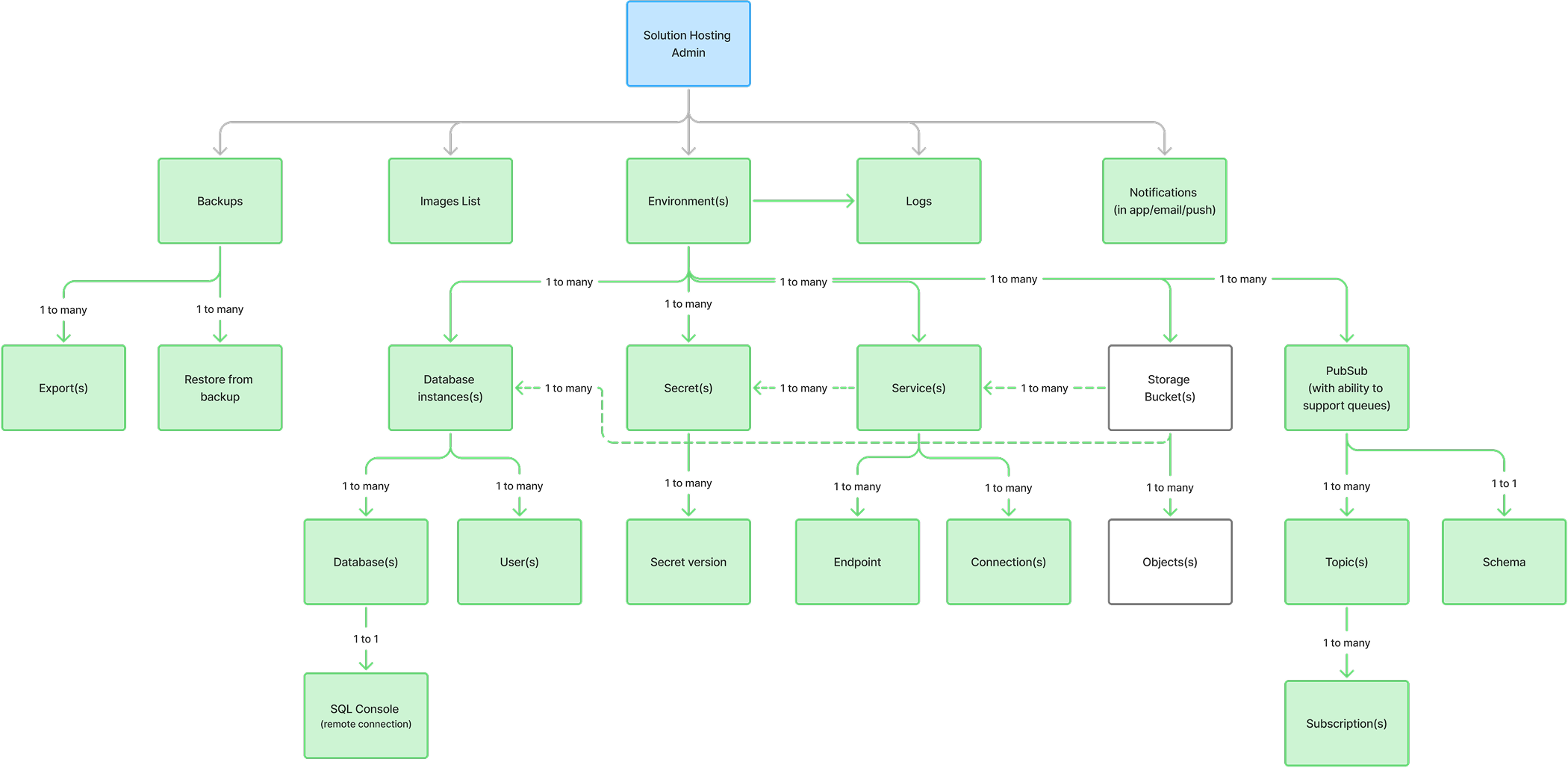
Once I understood the technical ecosystem, I mapped how each platform capability connected to the others. The map quickly became a communication tool that aligned design, engineering, and business stakeholders around a common understanding of the product.
This exercise established a shared understanding of:
Feature relationships
Navigation
Platform dependencies
Data movement
Overall platform architecture
Shaping the User Experience
Collaborative Design & Feature Planning
With a solid understanding of the platform architecture, we established a collaborative working rhythm that guided each feature from concept to implementation.
I facilitated weekly working sessions with API engineers and our business analyst to break down a each feature. Together we explored technical constraints, user goals, system behaviors, and implementation requirements before moving into design.
Following each session, I translated those conversations into detailed journey maps, wireframes, and interaction patterns. The designs were reviewed together the following week, refined collaboratively, and then handed back to engineering as the foundation for API development.
Working this way allowed design and engineering to move forward together instead of waiting on one another. As the project progressed, the process became so efficient that UX planning began outpacing backend implementation, creating a pipeline of validated features ready for development.
Final Designs
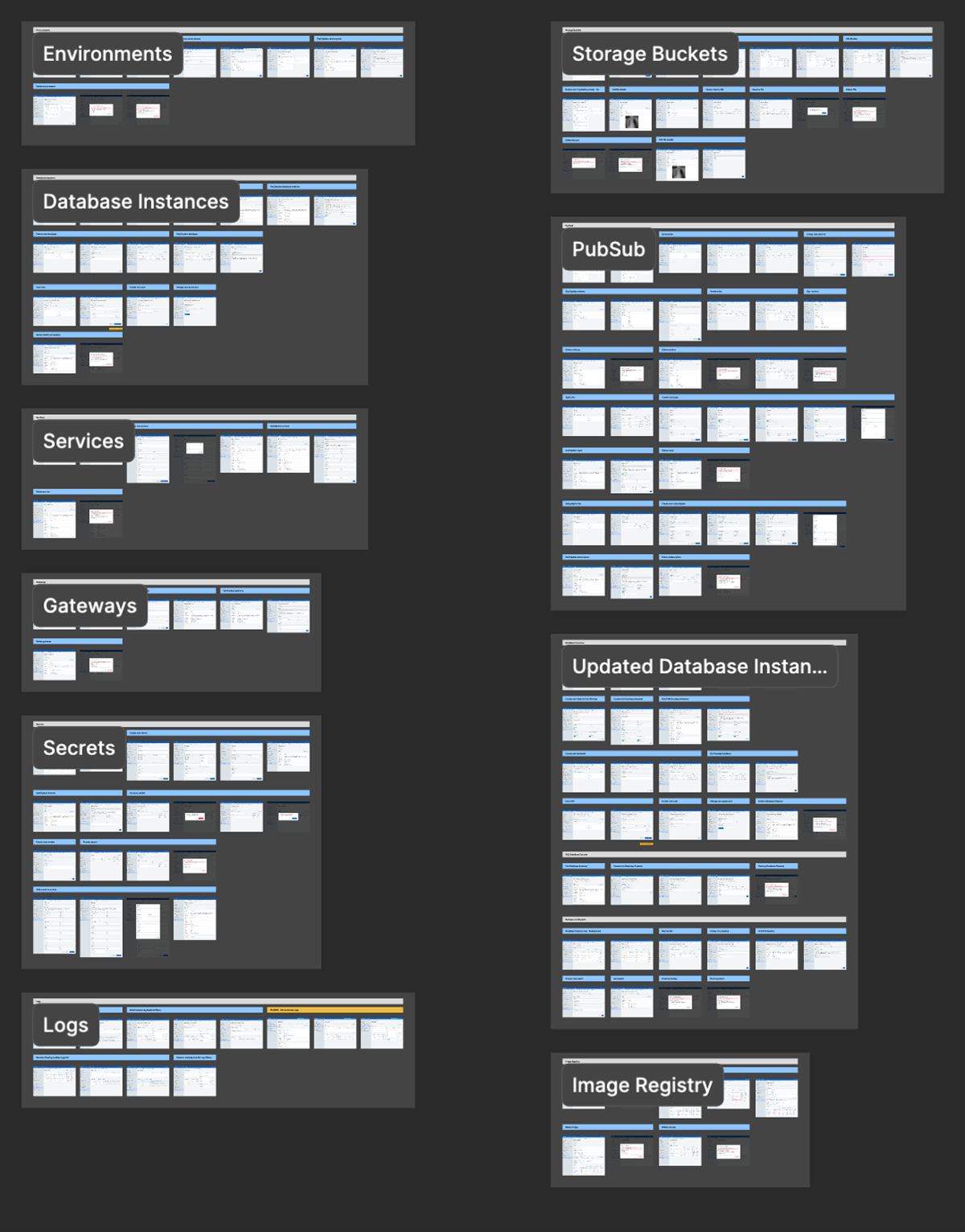
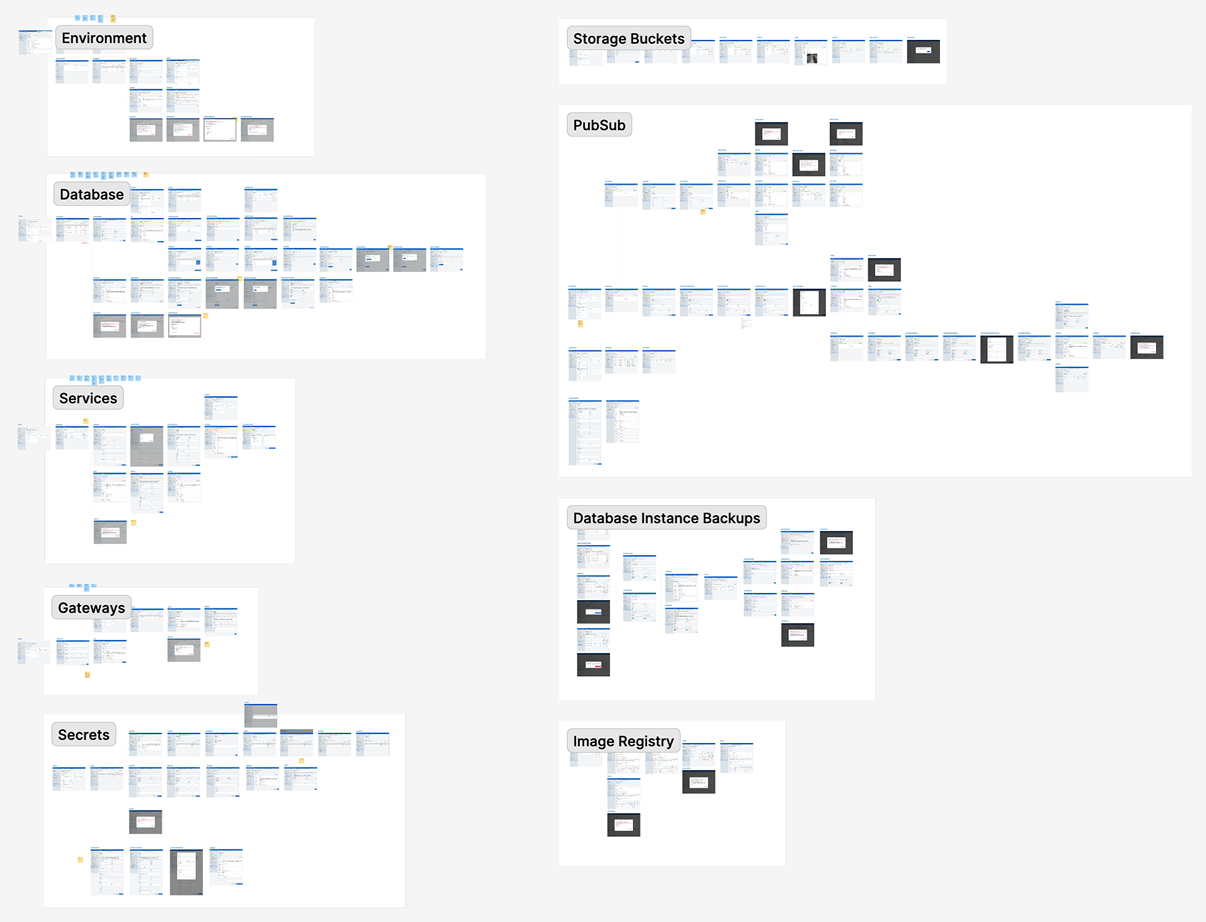
The final deliverables represented much more than a collection of screens. They demonstrated how a consistent design foundation could support an expanding enterprise platform while allowing new capabilities to be introduced over time.
Planning Beyond the MVP
Designing the MVP was only part of the work. As the platform matured, I facilitated planning sessions with our lead engineer and business analyst to identify opportunities beyond the initial release.
Together we explored:
Features already in development
Enhancements for future releases
Platform improvements
Long-term concepts and emerging opportunities
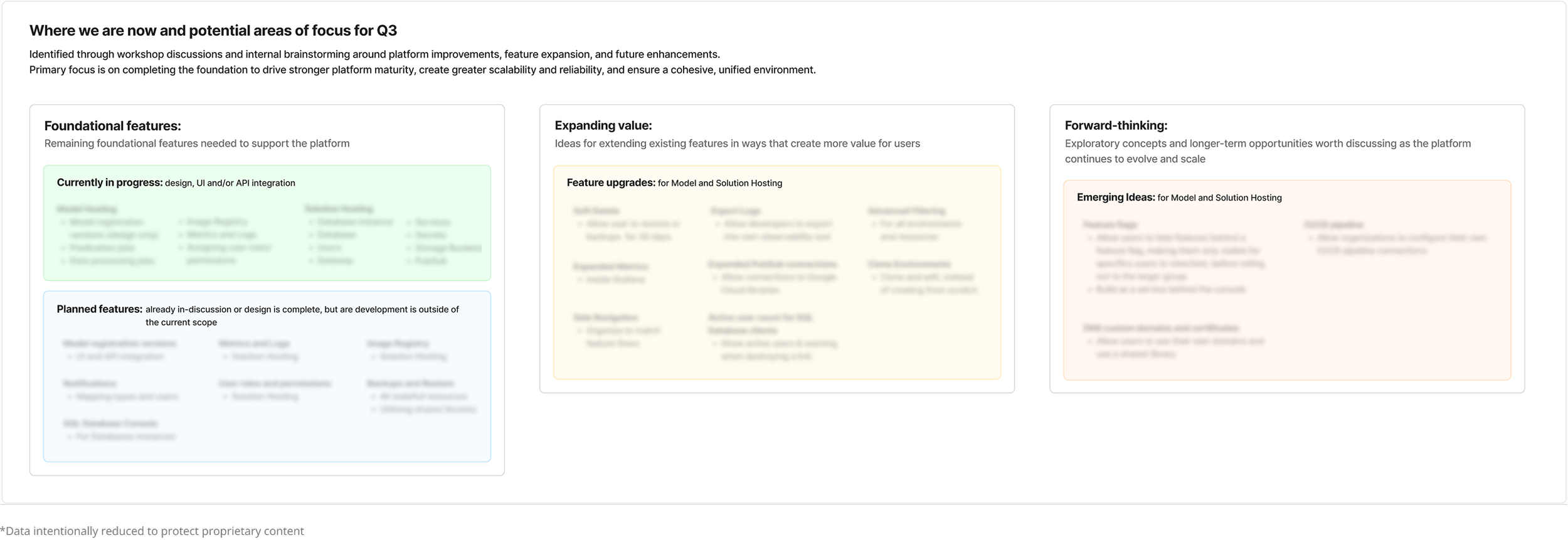
The roadmap became a valuable planning tool for quarterly contract discussions and helped leadership communicate both project progress and long-term product direction.
Conclusion
By the end of my engagement, the MVP was preparing for launch with a clearly defined UX foundation, reusable interaction patterns, and a structured roadmap for future development.
Just as importantly, the collaborative process established between design, engineering, and business teams created a repeatable framework for designing future platform capabilities long after my engagement concluded.
What This Project Reinforced
Creating space for conversation builds shared understanding.
The weekly working sessions weren't simply requirements meetings. They became a place where engineers, business stakeholders, and design could think through challenges together, uncover constraints early, and solve problems collaboratively before development began. That shared understanding created momentum, allowing the team to make decisions more confidently and move forward together.
Understanding builds trust.
Taking the time to learn the platform architecture and underlying APIs allowed me to contribute meaningfully to technical conversations and become a stronger partner to engineering throughout the project.